The booming field of AI glasses has provided optical manufacturers with new opportunities for growth. Since their release in October last year, Meta’s Ray-Ban smart glasses have sold over 2 million units worldwide, and it is expected that production volumes will increase to tens of millions by 2027, making them a hit product in the AI glasses market. Optical cameras have become the core components that enable AI glasses to perceive their surroundings and interact with users. The expansion of this market is closely linked to the overall growth of the smart glasses industry, and Meta’s continuous iteration of its Ray-Ban smart glasses products has clearly demonstrated the decisive impact of camera performance on the user experience.
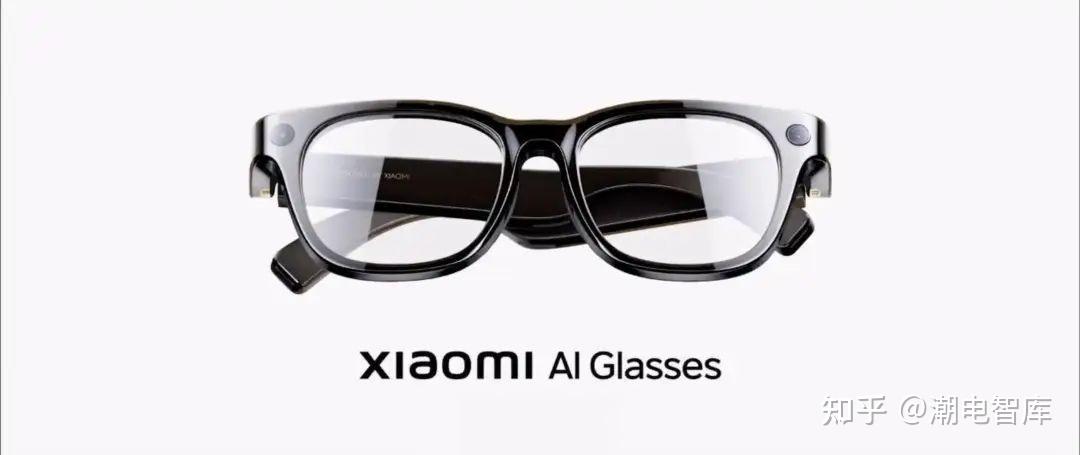
According to incomplete statistics from the Chaodian Think Tank, by 2025, nearly all the products that have been released or have been reported to exist, including the Ray-Ban Meta, Thunderbird V3, Li Weike View, Rokid Glasses, Xiaomi AI Glasses, and Alibaba Quark AI Glasses, are equipped with cameras.
Given the large number of manufacturers in the optical module industry, the Chaodian Think Tank chose five of the current mainstream module manufacturers—Oppo Lens Technology, Sunny Optical, Qutai Technology, Chenrui Optics, and United Imaging—to conduct its research and analysis.
In the current global competition in the field of smart glasses, Ray-Ban Meta has proven that high-quality imaging capabilities and the ability to share images are among the key factors in winning users’ favor. However, despite the promising prospects for the market of AI-powered glasses with optical cameras, the industry still faces numerous technical challenges and commercial obstacles, and it will require collaboration across the entire supply chain to overcome these difficulties.
Under current technological constraints, it is difficult to achieve a balance among computing power, battery life, and weight. Improving image processing capabilities requires an increase in the size of the chip, while extending battery life necessitates larger batteries—both of which will result in a weight exceeding the 100-gram threshold that is considered comfortable to wear. This contradiction is particularly evident in scenarios that require real-time AI analysis: the power consumption of continuously operating cameras exceeds 500 mW, which significantly reduces the battery life to less than 4 hours.
With the technological breakthroughs made by Chinese companies in the fields of ISP chips and micro-modules, as well as the support of the vast domestic consumer market, it is possible for the domestic supply chain to make a crucial leap from catching up to taking the lead in the field of AI-powered glasses vision systems.


 English
 中文
中文